Floor Polishing, Grinding & Restoration Services
We polish, grind and restore concrete, hardwood, marble, terrazzo, travertine, natural stone and tile floors for homes and commercial properties. Tell us the material and the condition, and you get a written estimate after an on-site inspection.
- Free estimate, no obligation
- Priced after we see the floor — not over the phone
- Residential and commercial
- Residential & commercial
- Written estimates
- Dust-controlled methods
Get a Free Estimate
Three quick steps, about a minute. No obligation.
Our Floor Services
Twelve services covering every common floor material and both surface refreshes and full restoration.
Concrete Floor Polishing
Concrete floor polishing mechanically refines a slab with progressively finer diamond abrasives until the surface itself becomes the finish, producing a hard, light-reflective floor without coatings that peel.
Concrete Floor Grinding
Concrete floor grinding uses coarse diamond tooling to cut material off a slab in order to flatten it, strip coatings and adhesives, or open the surface profile before a new floor goes down.
Hardwood Floor Polishing
Hardwood floor polishing restores sheen and clarity to a wood floor whose finish layer is dull but intact, using buffing and recoating rather than sanding back to bare timber.
Hardwood Floor Sanding & Refinishing
Hardwood sanding and refinishing takes a wood floor back to bare timber with abrasive machines, then rebuilds the finish from scratch — the correct answer when the existing wear layer has failed.
Marble Floor Polishing
Marble floor polishing refines calcium-based stone with diamond abrasives and polishing powders until the stone itself reflects light, removing etching and scratches rather than covering them with a coating.
Terrazzo Floor Polishing
Terrazzo floor polishing grinds and refines a composite of stone chips in cement or epoxy matrix, restoring the original reflective surface that decades of coatings and traffic have buried.
Travertine Floor Polishing
Travertine floor polishing refines a porous calcium-based stone with diamond abrasives, addressing the open holes and etch damage that distinguish travertine from denser marble.
Natural Stone Floor Restoration
Natural stone floor restoration returns granite, slate, limestone, sandstone and other stone floors to sound condition through cleaning, repair, grinding and refinishing matched to the specific stone.
Tile Floor Restoration
Tile floor restoration recovers ceramic, porcelain and quarry tile floors by deep-cleaning the tile, repairing or replacing failed grout, and sealing the joints where soiling actually lives.
Commercial Floor Polishing
Commercial floor polishing delivers concrete, terrazzo and stone refinement in occupied business premises, planned around trading hours so the floor is restored without closing the operation.
Industrial Floor Polishing
Industrial floor polishing refines heavy-duty warehouse and plant slabs to cut dust, survive forklift traffic and improve light levels, without the recoat cycle that coatings impose.
Floor Cleaning, Sealing & Maintenance
Floor cleaning, sealing and maintenance is the scheduled programme that keeps a restored floor performing — deep cleaning, resealing and periodic burnishing — so the surface never degrades to the point of needing full refinishing again.
Find Your Service Area
Search by ZIP code or city to see whether we currently cover your area.
Choose Your State
Coverage is being built out state by state. Only areas with crews and confirmed availability are listed.
Residential & Commercial
The method is the same; the scheduling, containment and compliance requirements are not.
Residential
- Single-family homes and apartments
- Garages, basements and lanais
- Kitchens, bathrooms and entryways
- Pre-sale floor refreshes
Commercial
- Retail floors and showrooms
- Restaurants, bars and hotels
- Offices and medical practices
- Warehouses and industrial slabs
Floor Types & Materials
Materials we work with
- Concrete
- Hardwood
- Marble
- Terrazzo
- Travertine
- Limestone
- Granite
- Slate
- Ceramic and porcelain tile
- Quarry tile
Where this is used
- Homes and apartments
- Retail and hospitality
- Offices
- Schools and healthcare
- Warehouses and plants
Before & After: How These Finishes Look
Concrete, hardwood, marble, terrazzo, travertine and stone — the same floor before and after refinement.
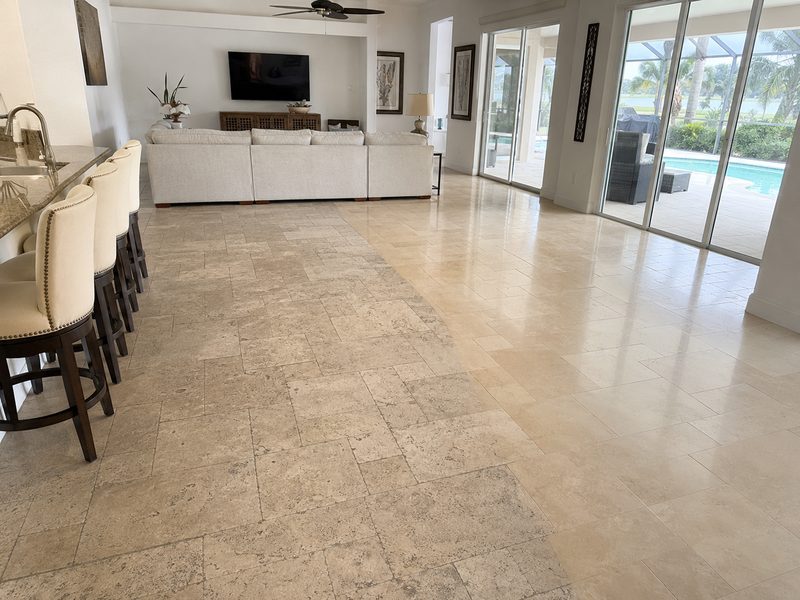
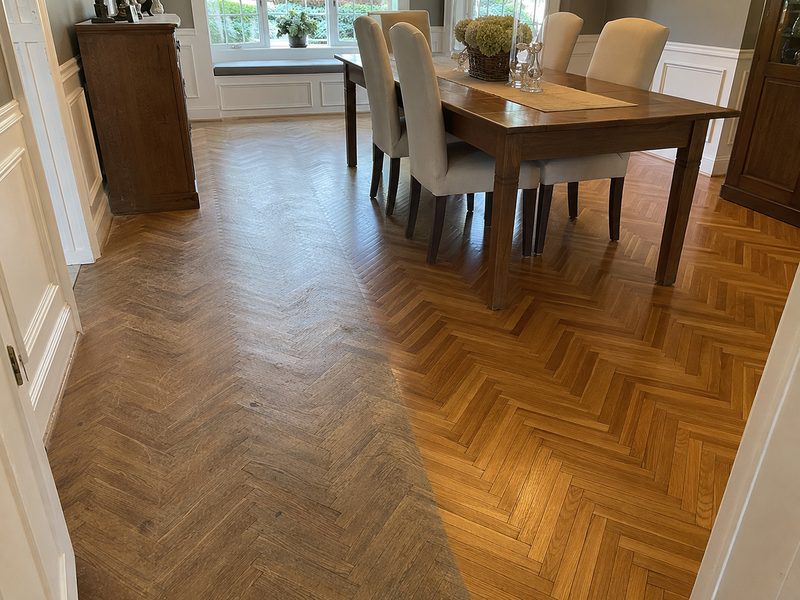
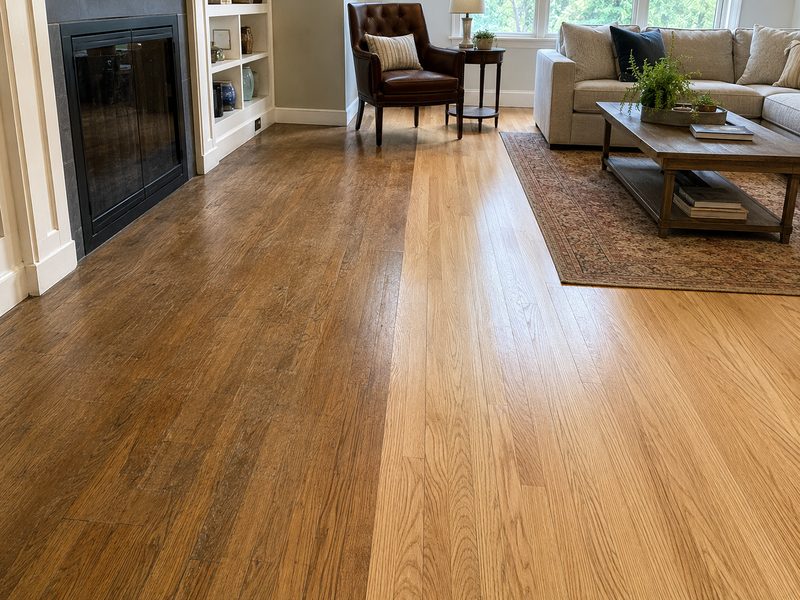
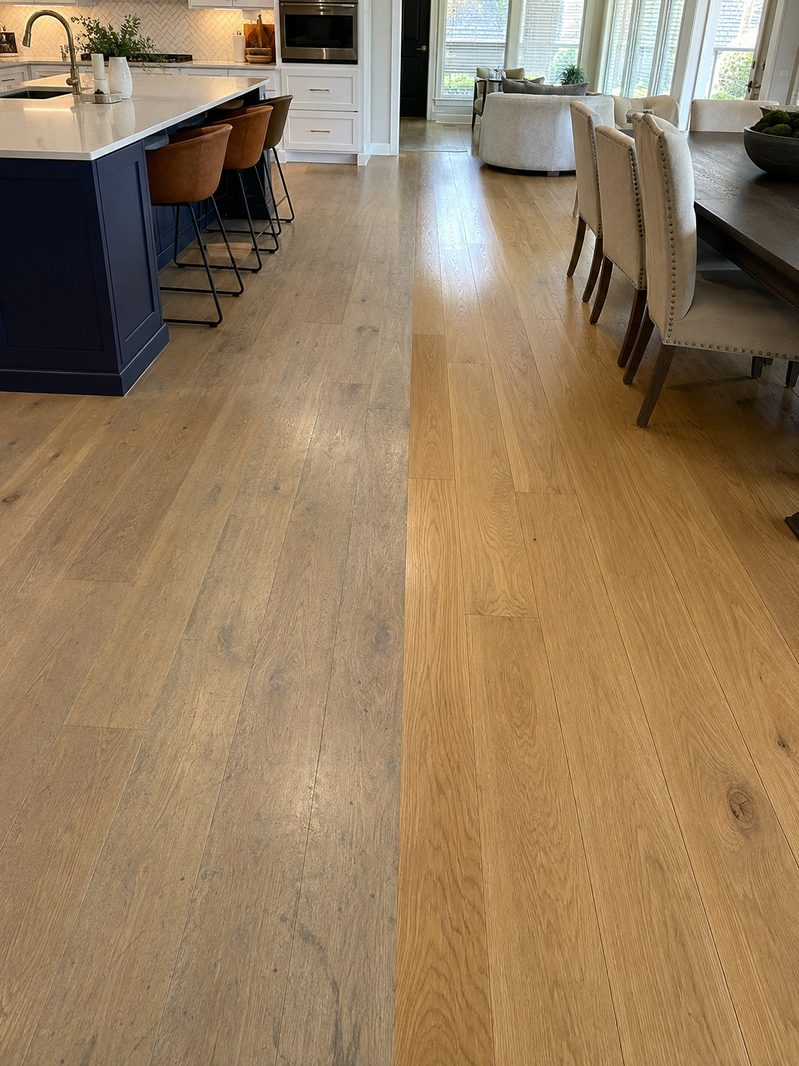
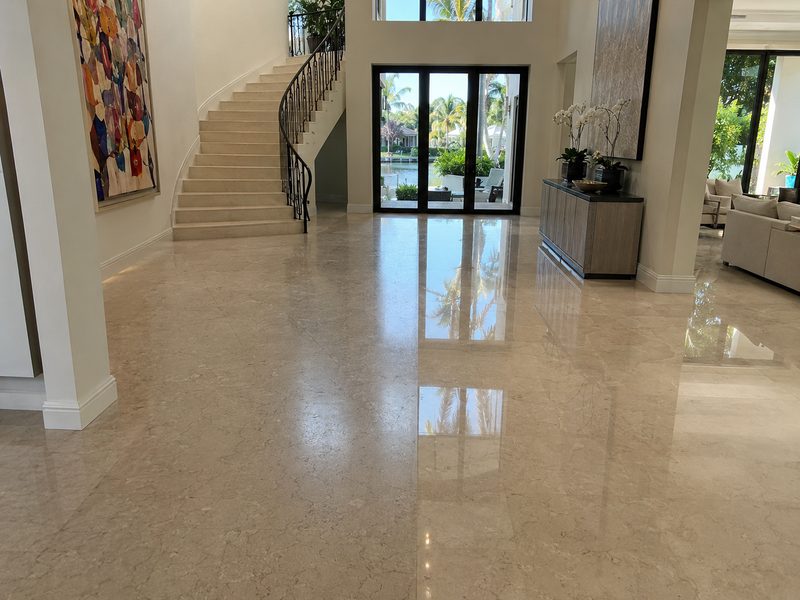
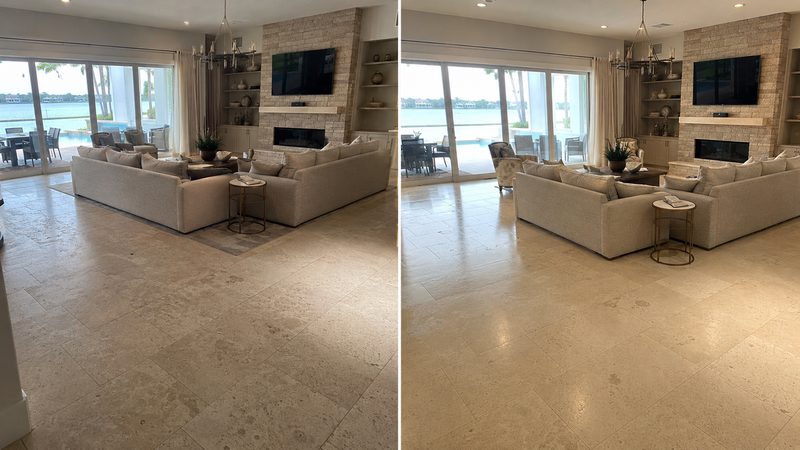
Illustrative examples of materials and sheen levels, not photographs of completed customer jobs.
How It Works
-
Tell us about the floor
Material, approximate area and what is wrong with it. Photos help more than descriptions do.
-
On-site inspection
We confirm the material, check for coatings and moisture, and test in a discreet area where the method depends on it.
-
Written estimate
Scope, method and the variables that could change the price, in writing before anything starts.
-
The work
Dust controlled at source, containment between work and occupied areas, scheduled around how you use the space.
-
Handover
The finished floor plus a written maintenance plan: products, dilutions and intervals.
Ready to find out what your floor needs?
Send us the material, the area and a few photos. We will come back with next steps.
Get a Free EstimateWhy Work With Us
Written estimate after inspection
We price the floor after seeing it, not from a phone description. The estimate sets out scope and the variables that could change it, so there are no discoveries mid-job.
Material identified before work starts
Marble, limestone and travertine look alike and behave differently under the same abrasive. We confirm what the floor actually is and test in a discreet area before committing to a method.
Dust controlled at source
Grinding and sanding run with HEPA-filtered extraction at the tool head and containment between work and occupied areas, because concrete dust is a health matter rather than a tidiness one.
Written maintenance plan on handover
You get the products, dilutions and intervals that keep the finish alive, since most floors we are called back to were damaged by cleaning rather than by use.
Frequently Asked Questions
It depends on the material and on how deep the damage goes. Surface dullness on a sound finish is usually polishing or a recoat; damage that has reached the material itself needs grinding, sanding or restoration. If you are unsure, send photos with your estimate request and we will tell you which of the two applies.
Yes. The difference is mostly scheduling and containment rather than method — commercial work is normally phased outside trading hours so the premises keep operating, which extends the calendar but avoids closing.
After seeing the floor. Material, existing coatings and condition decide the method, and none of those can be established reliably from a description. The written estimate sets out scope and the variables that could change it.
Coverage is listed by state, county and city in the sections above. If your ZIP code is not shown, include it with your estimate request and we will confirm whether we can reach you.